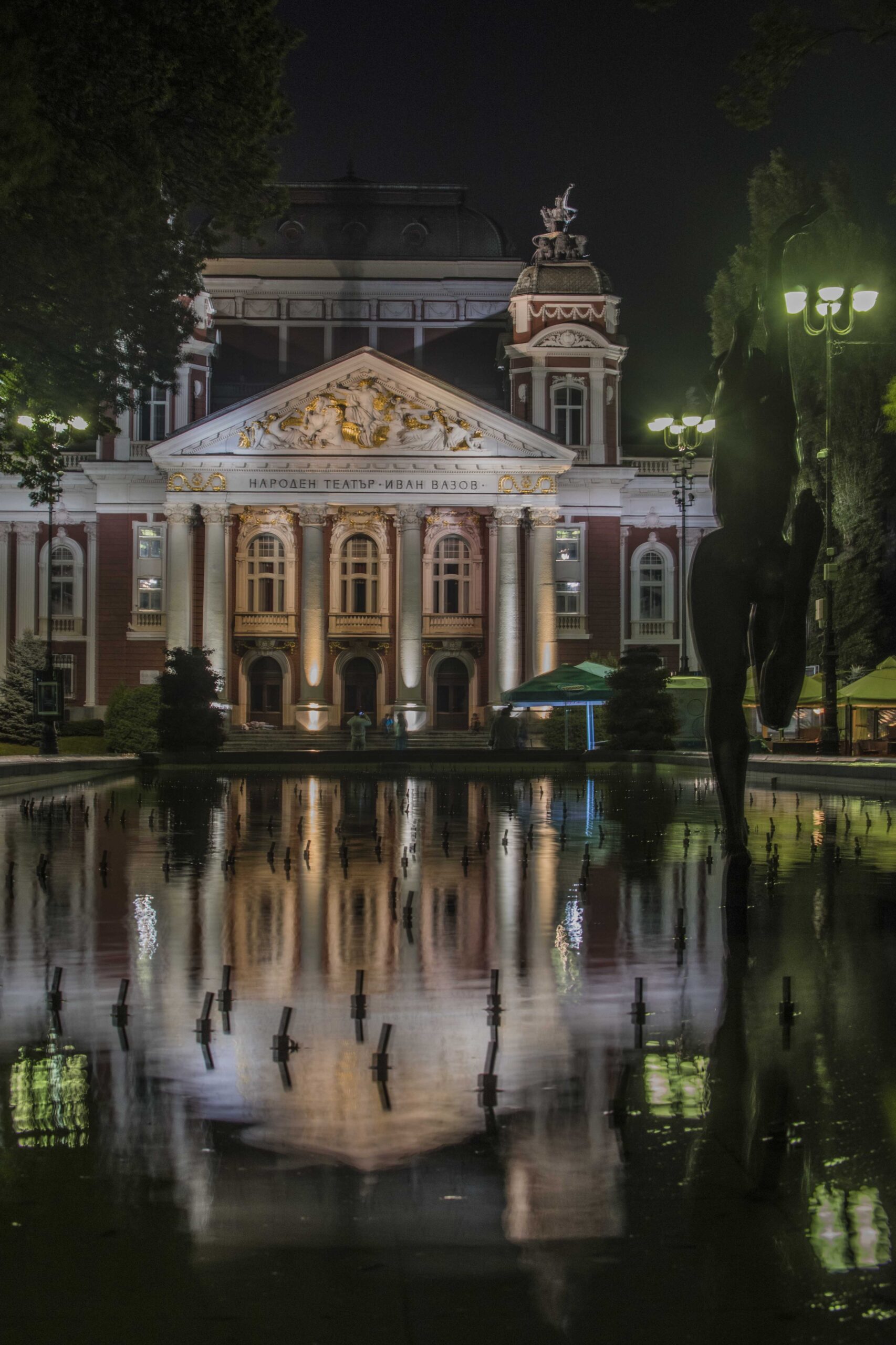
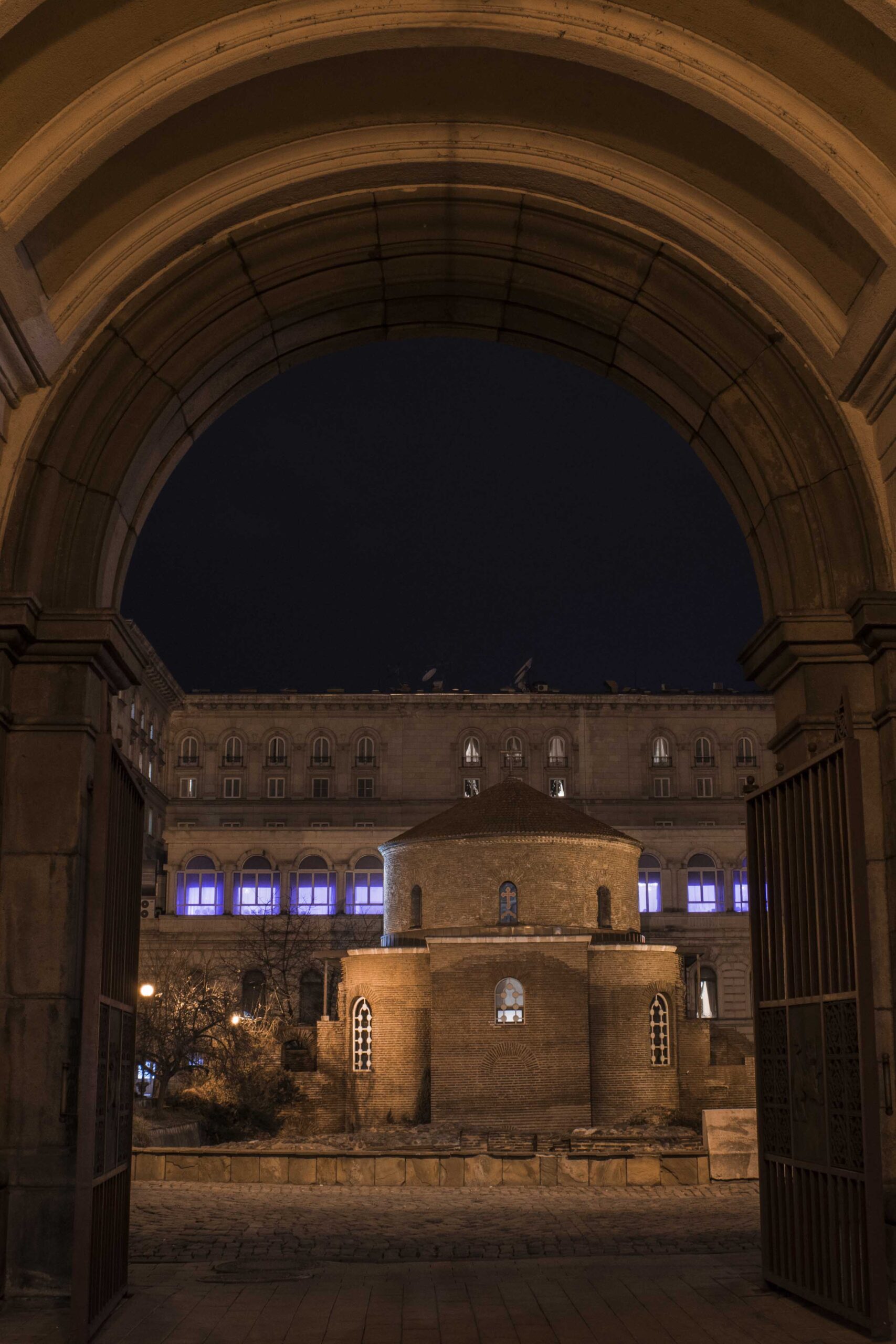
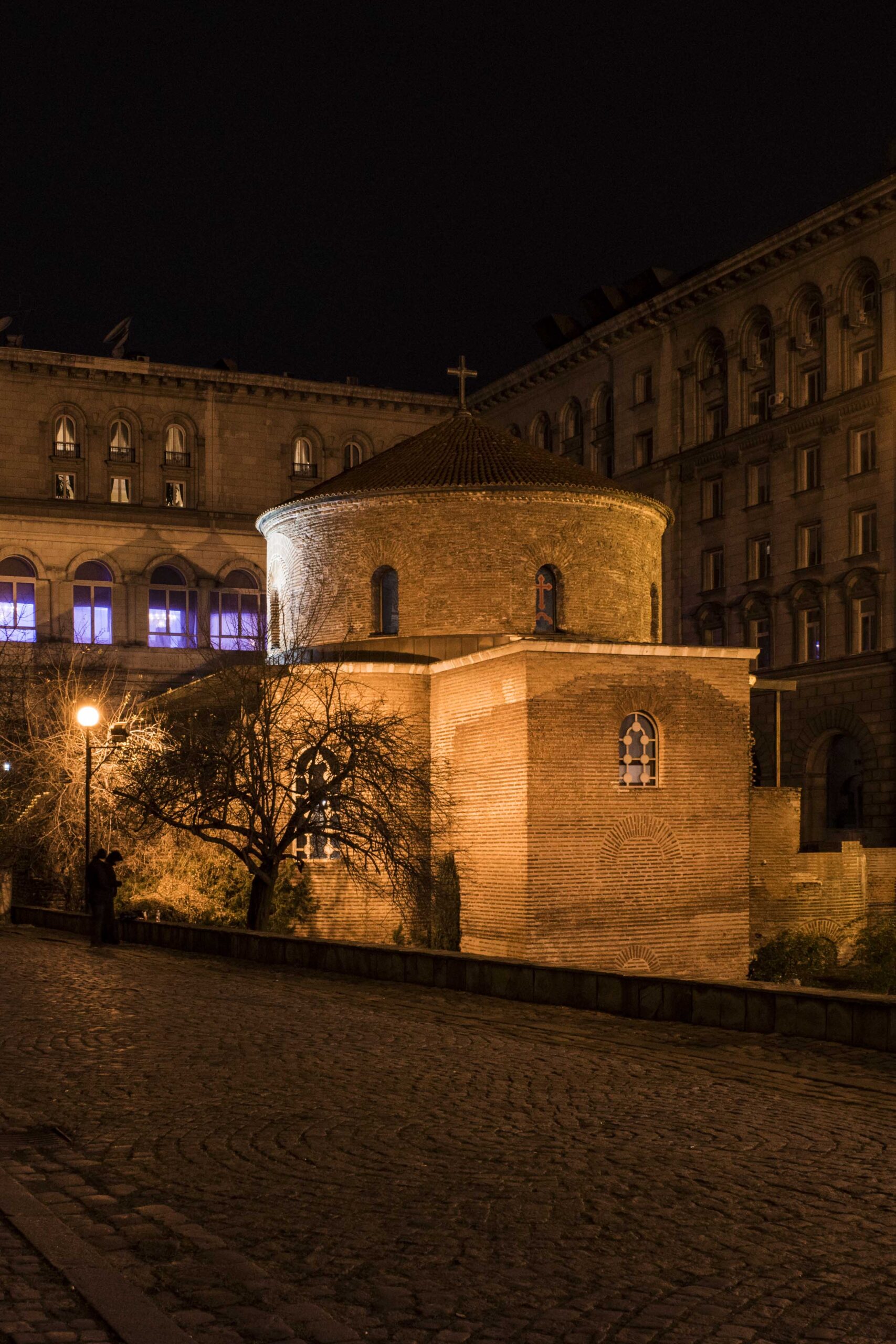
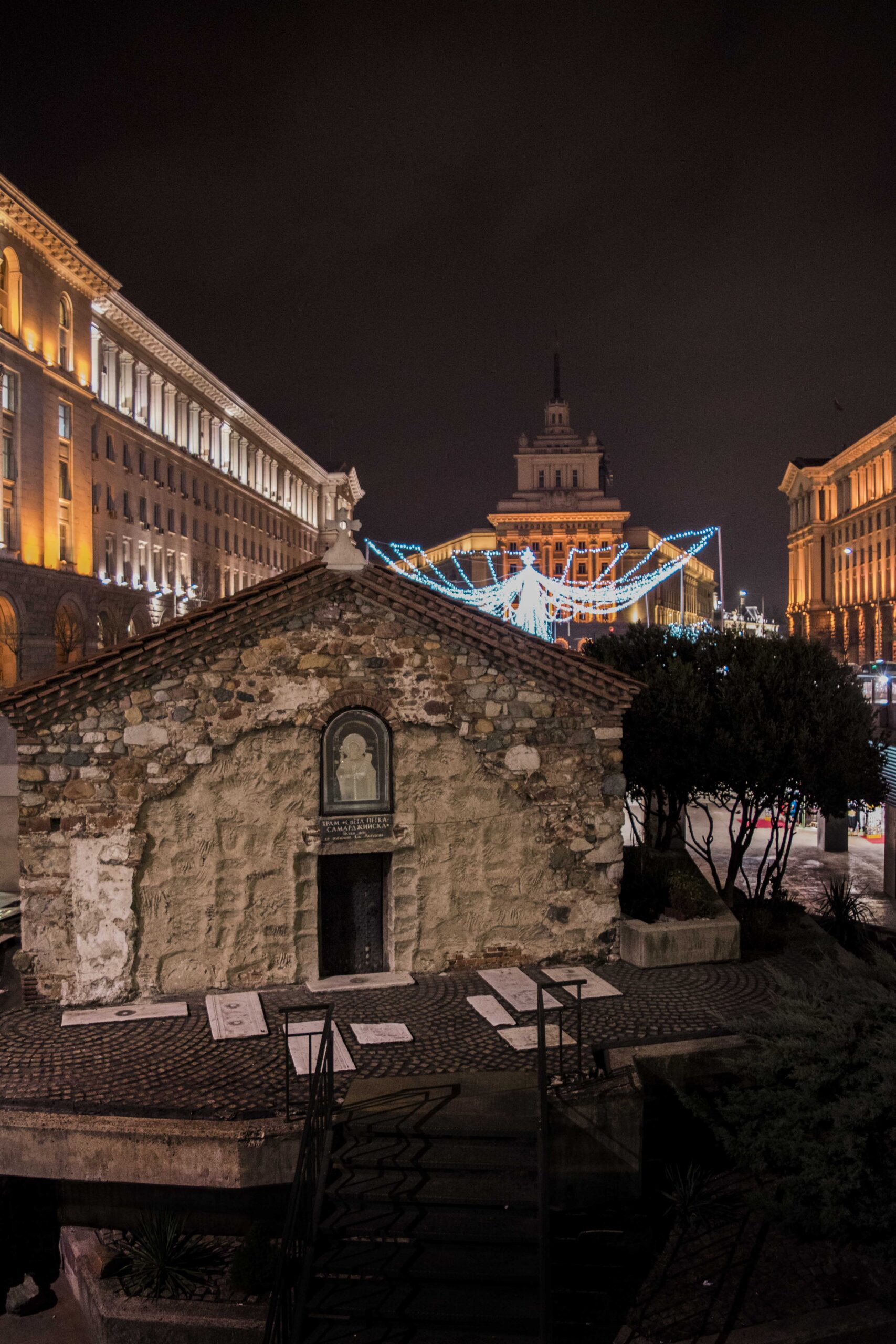
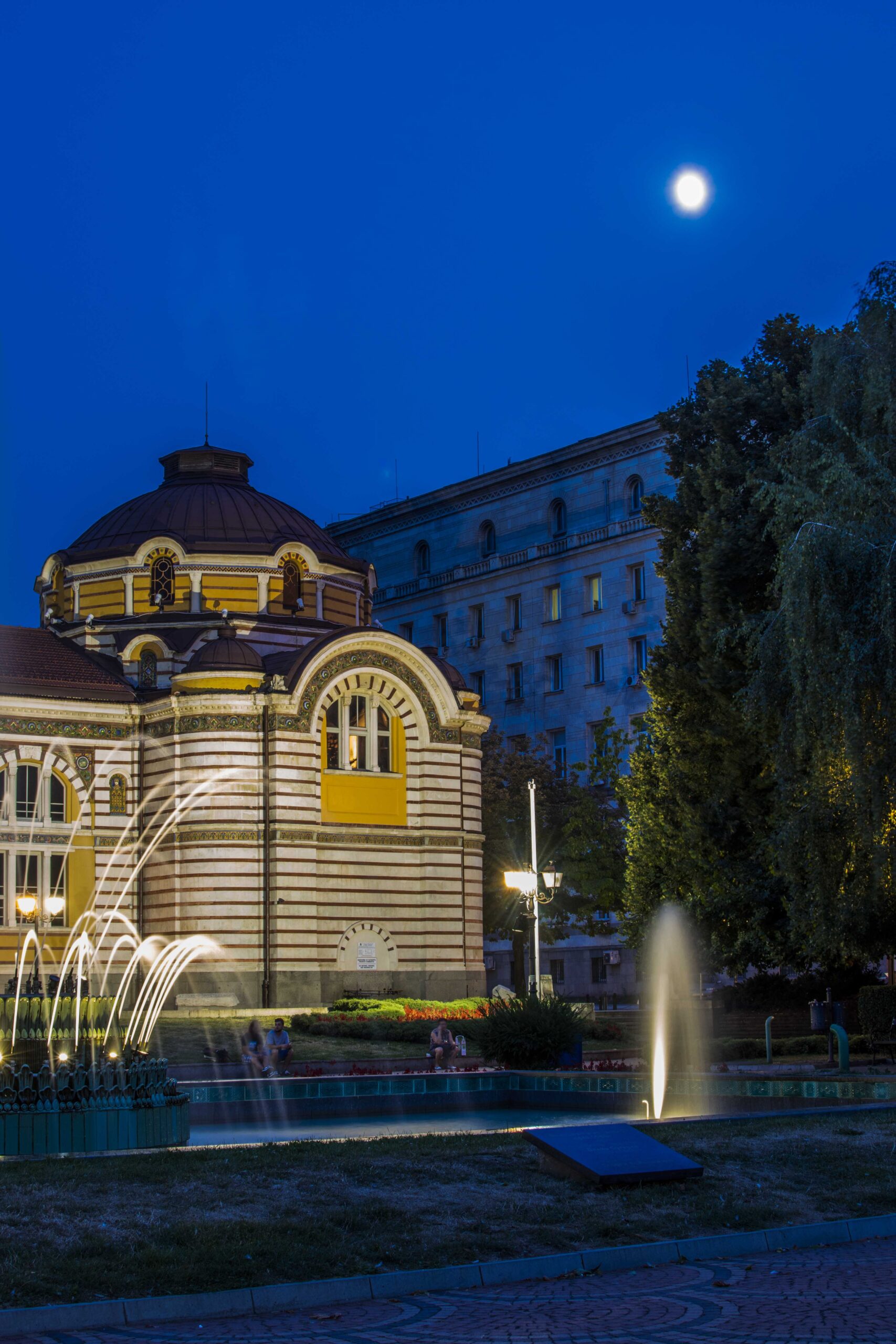
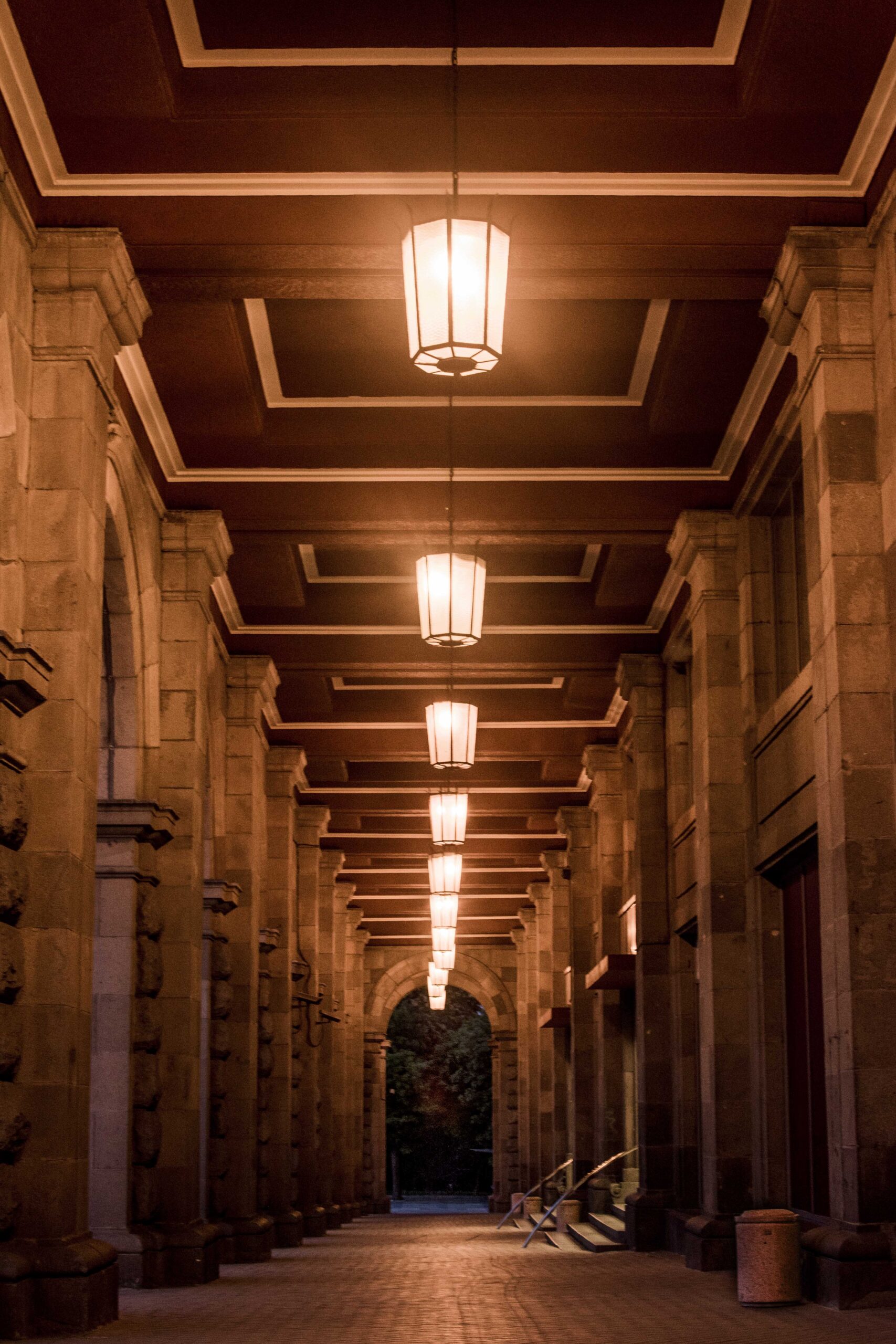
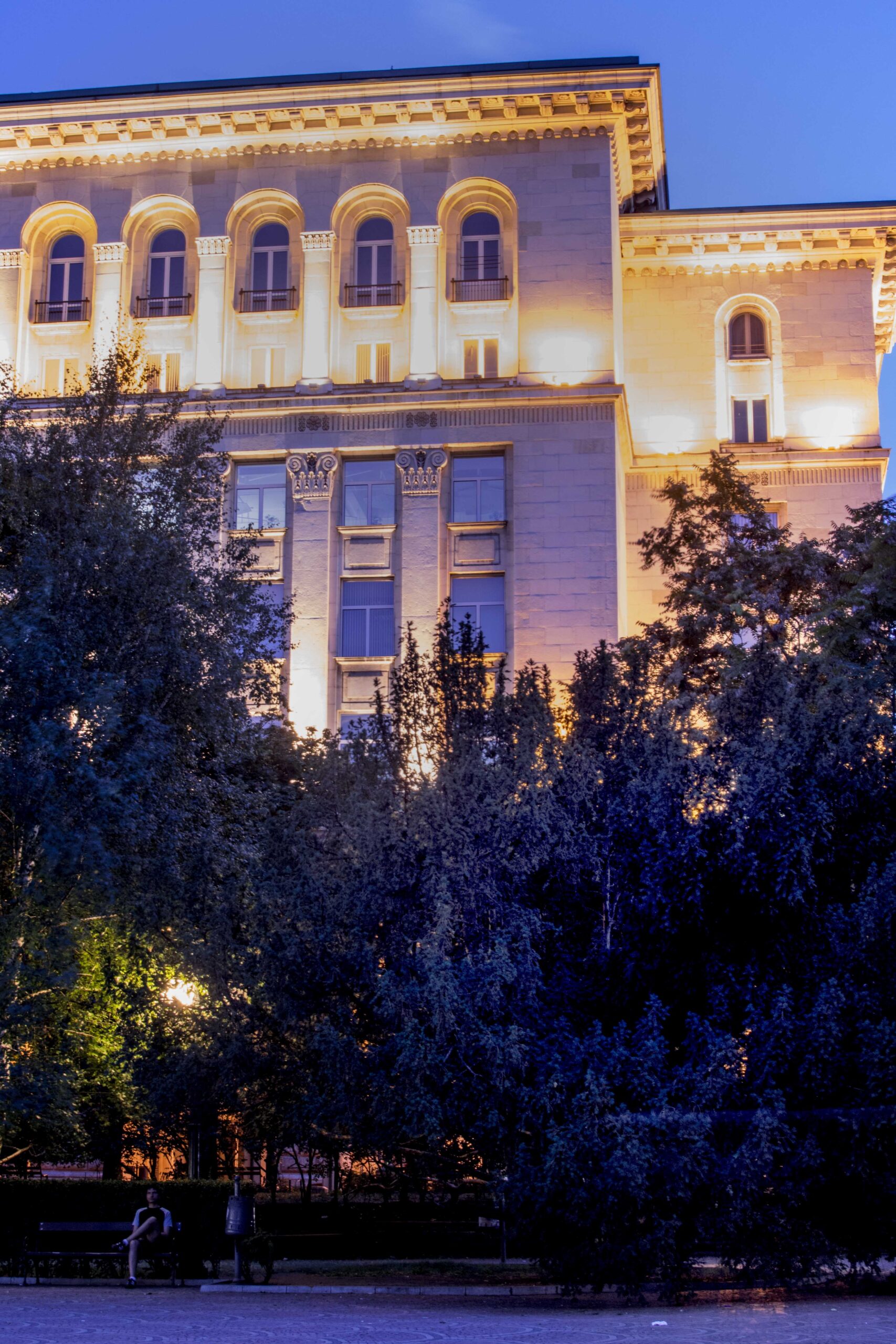
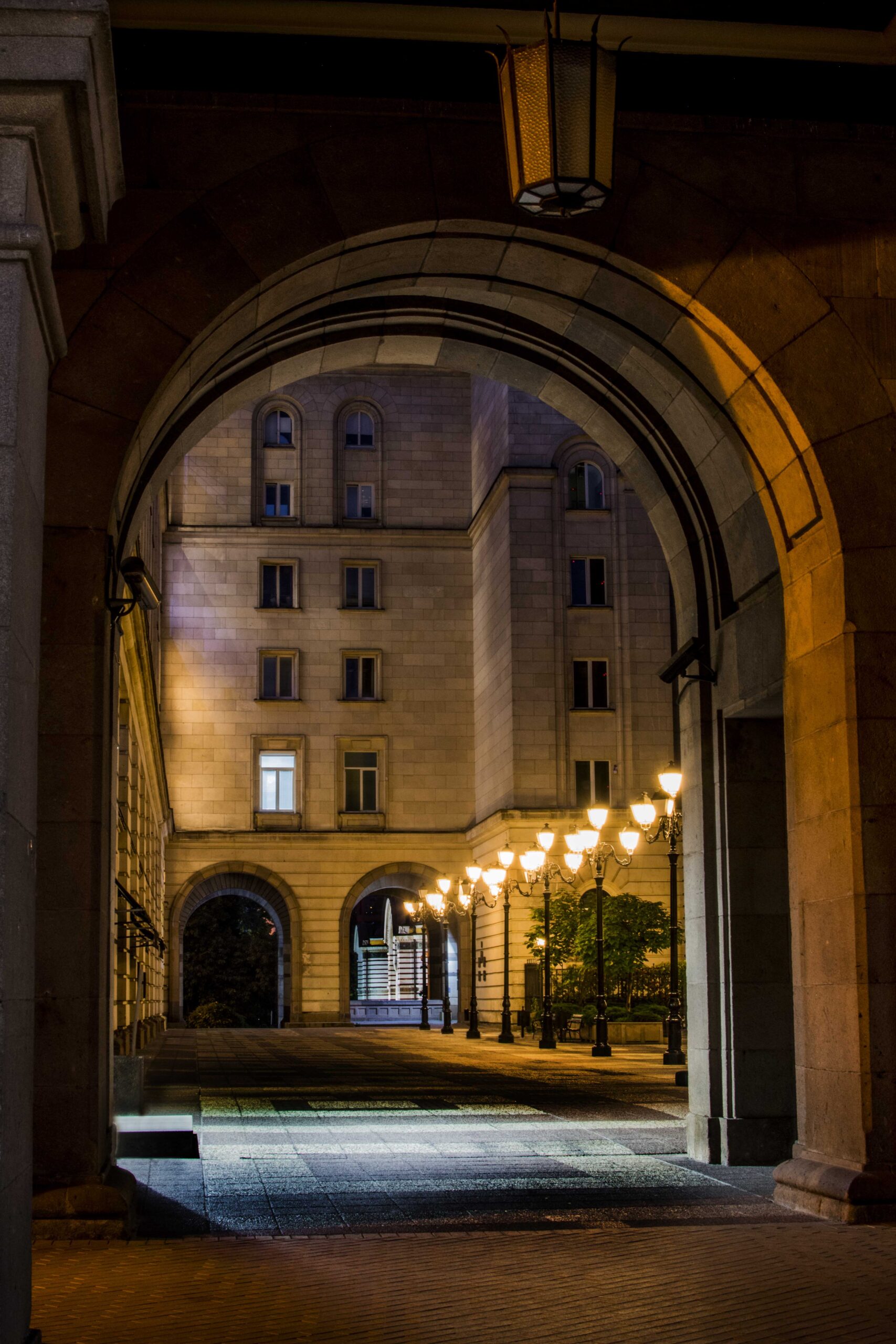
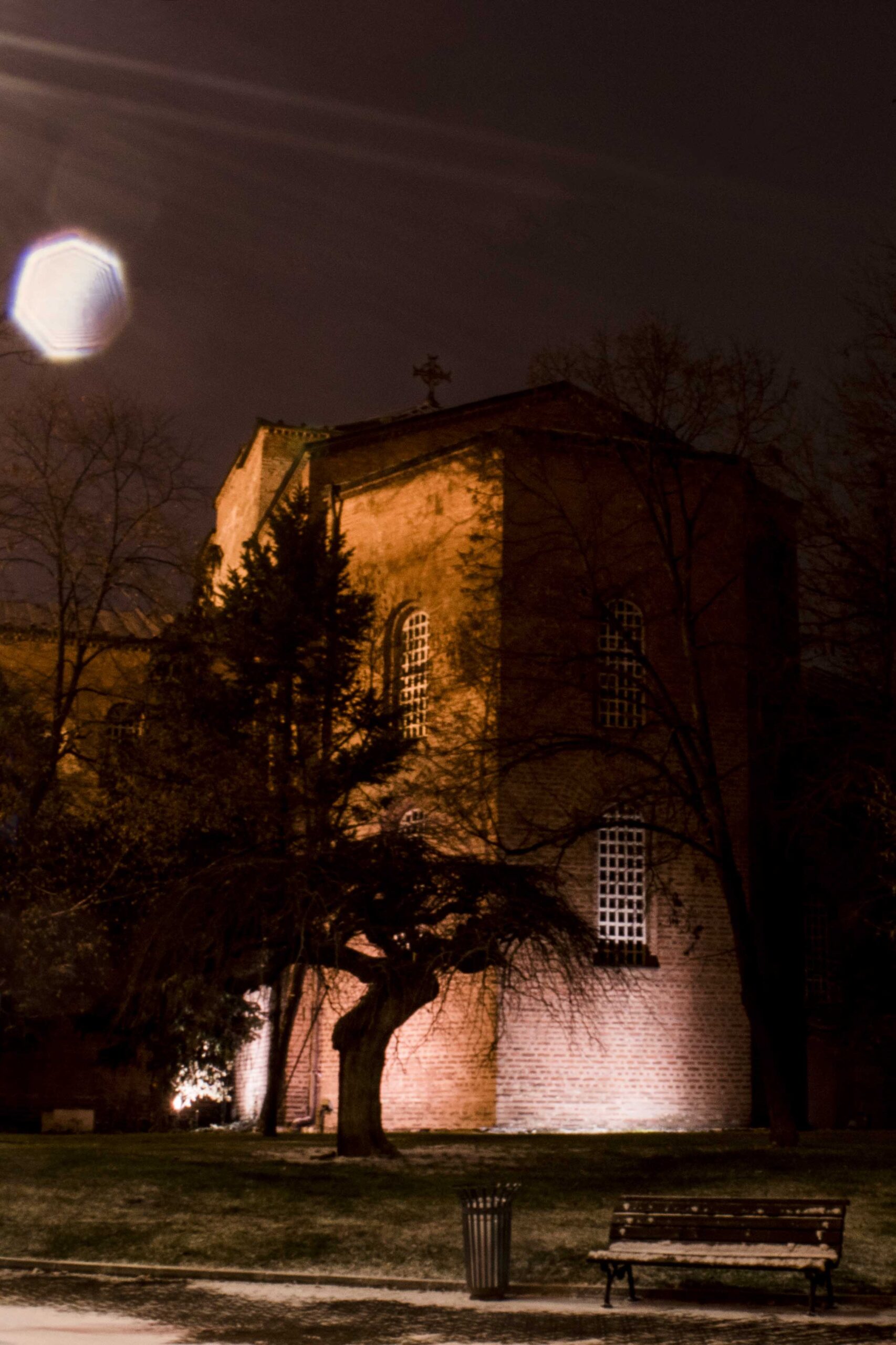
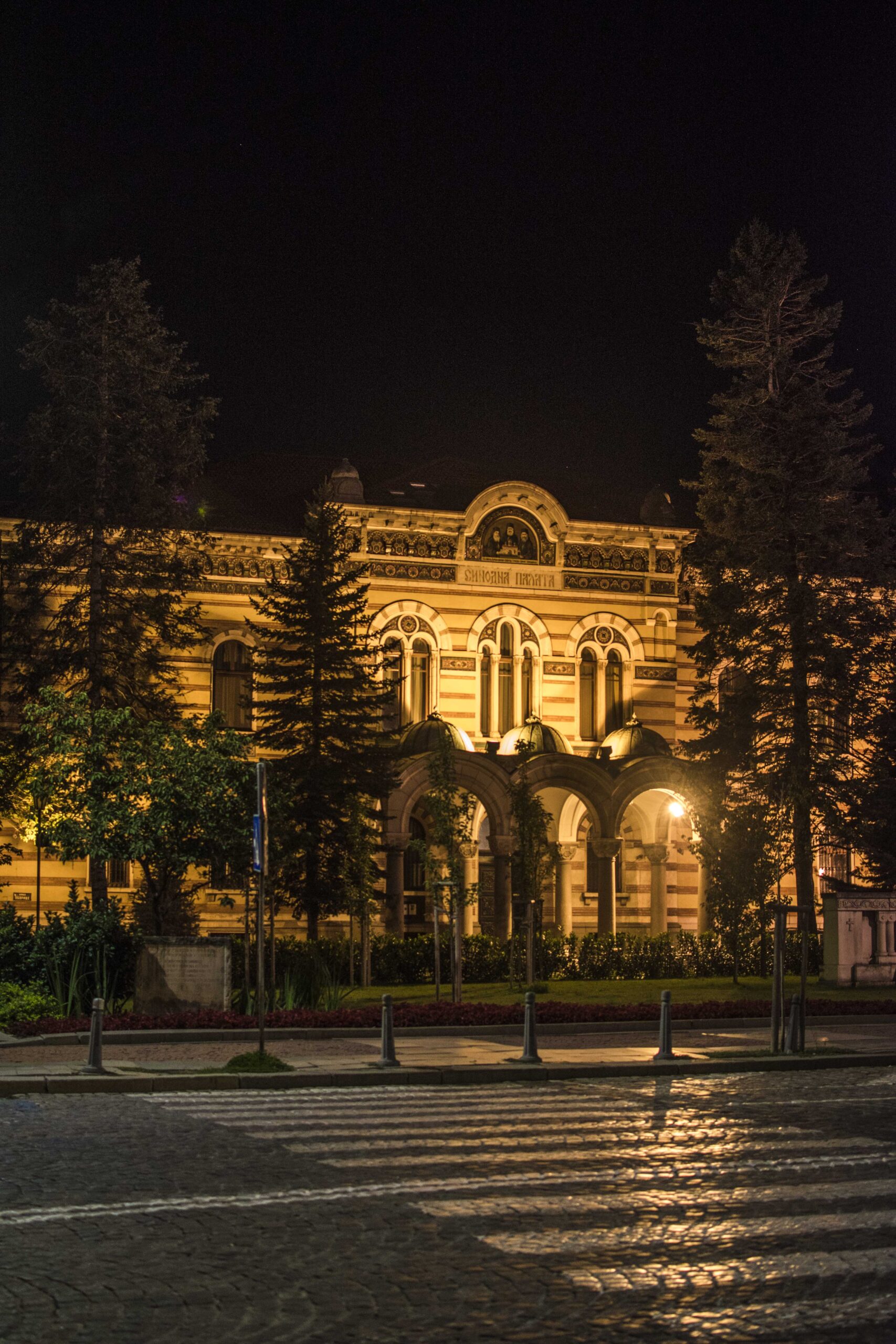
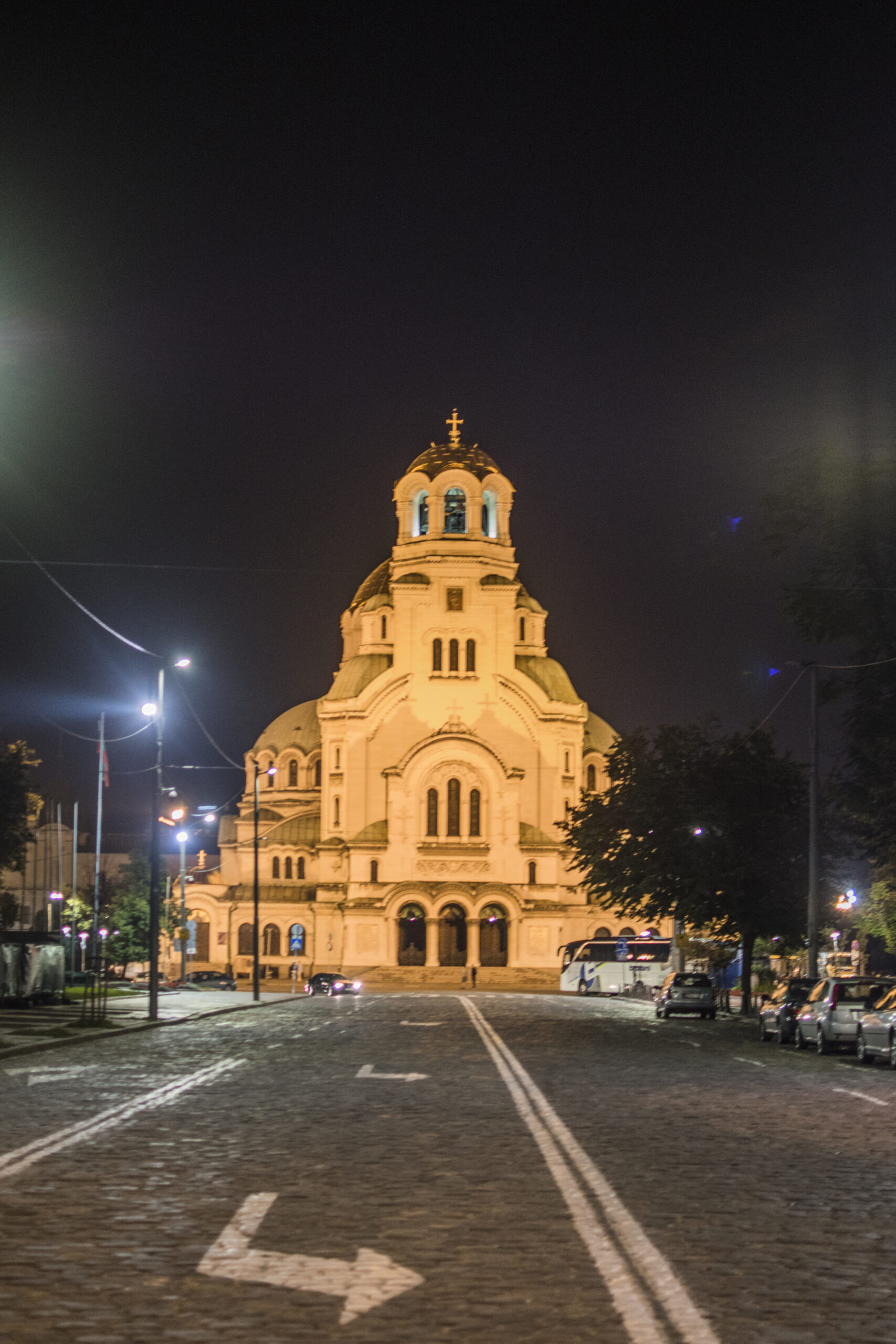
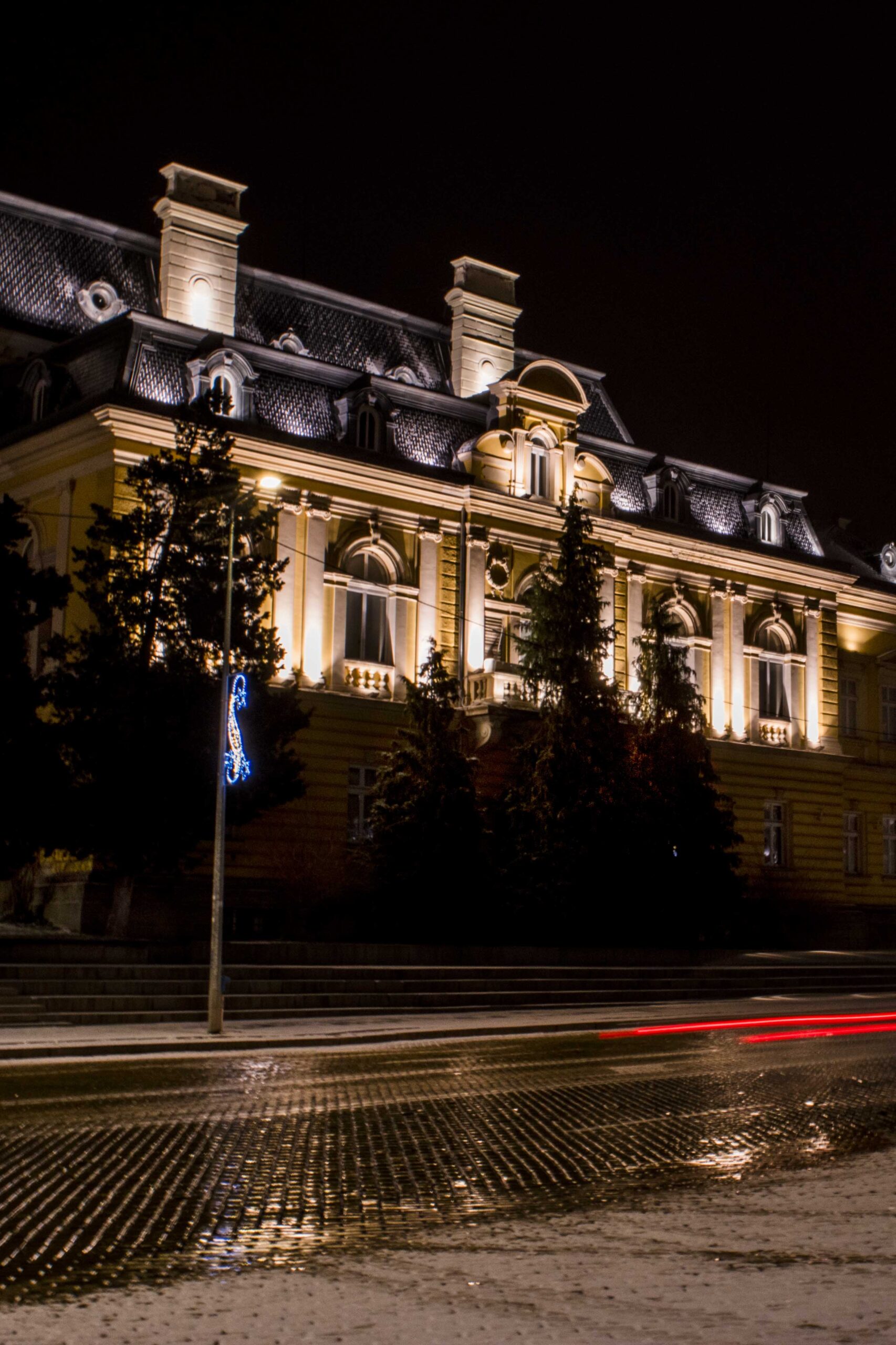
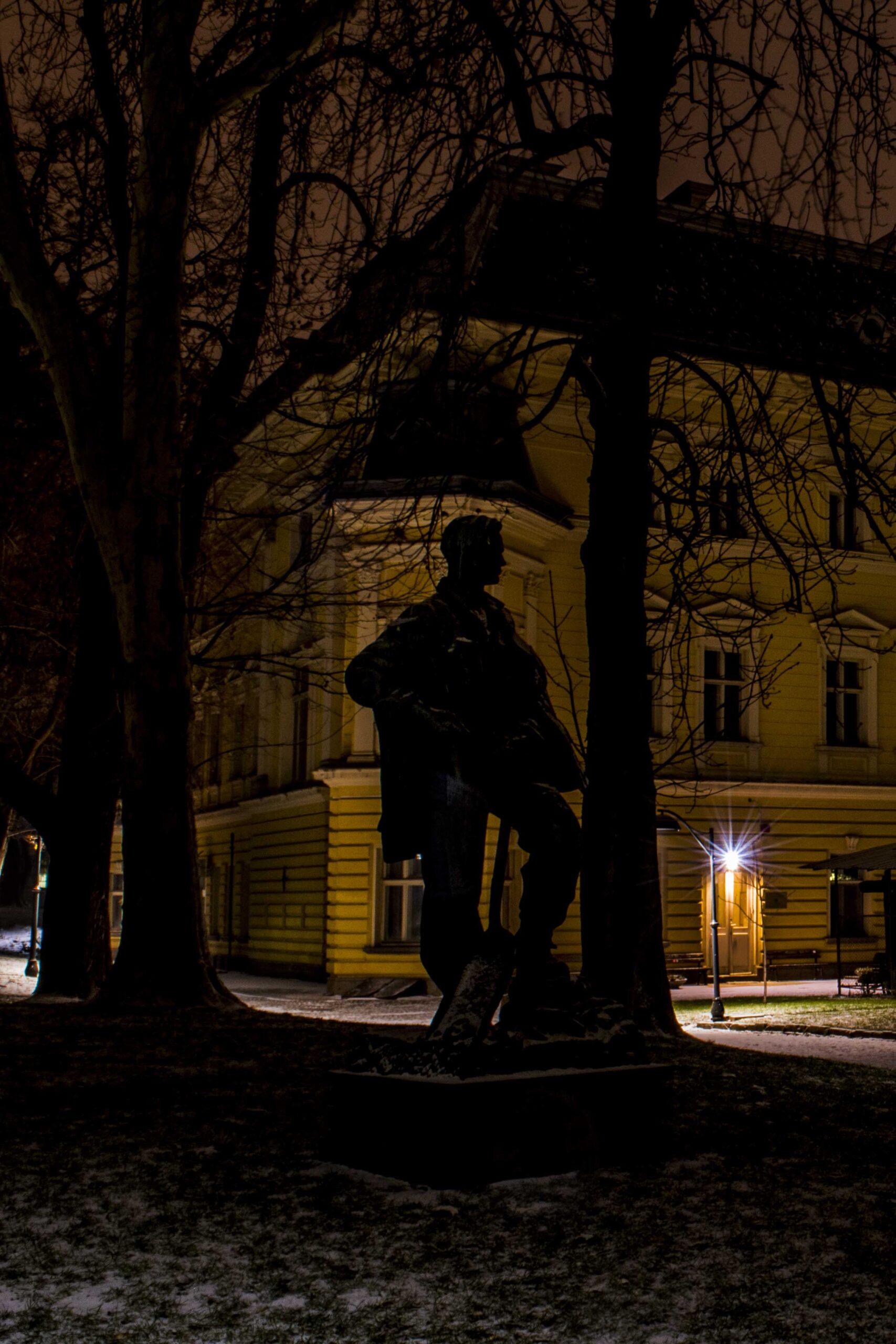
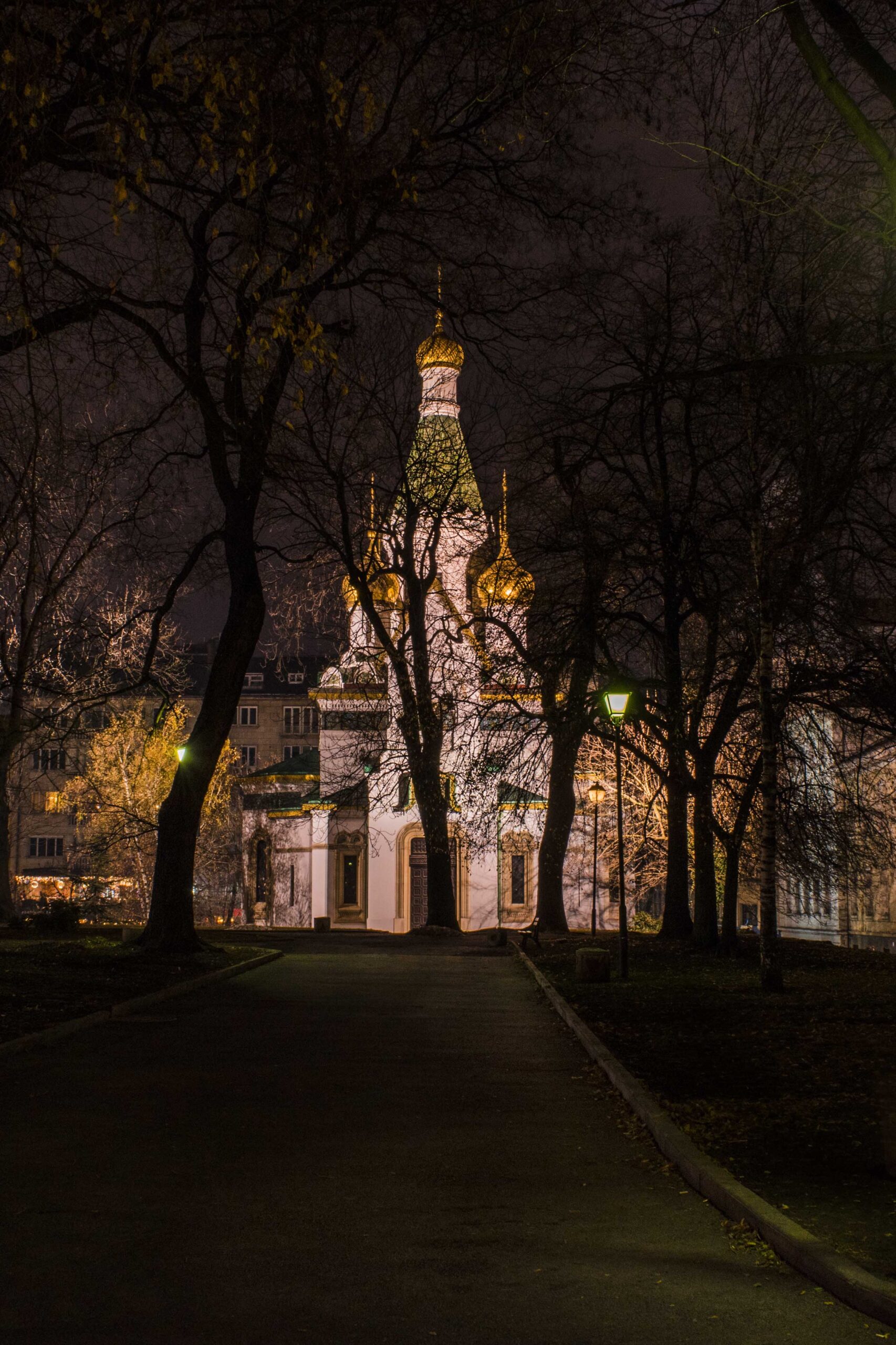
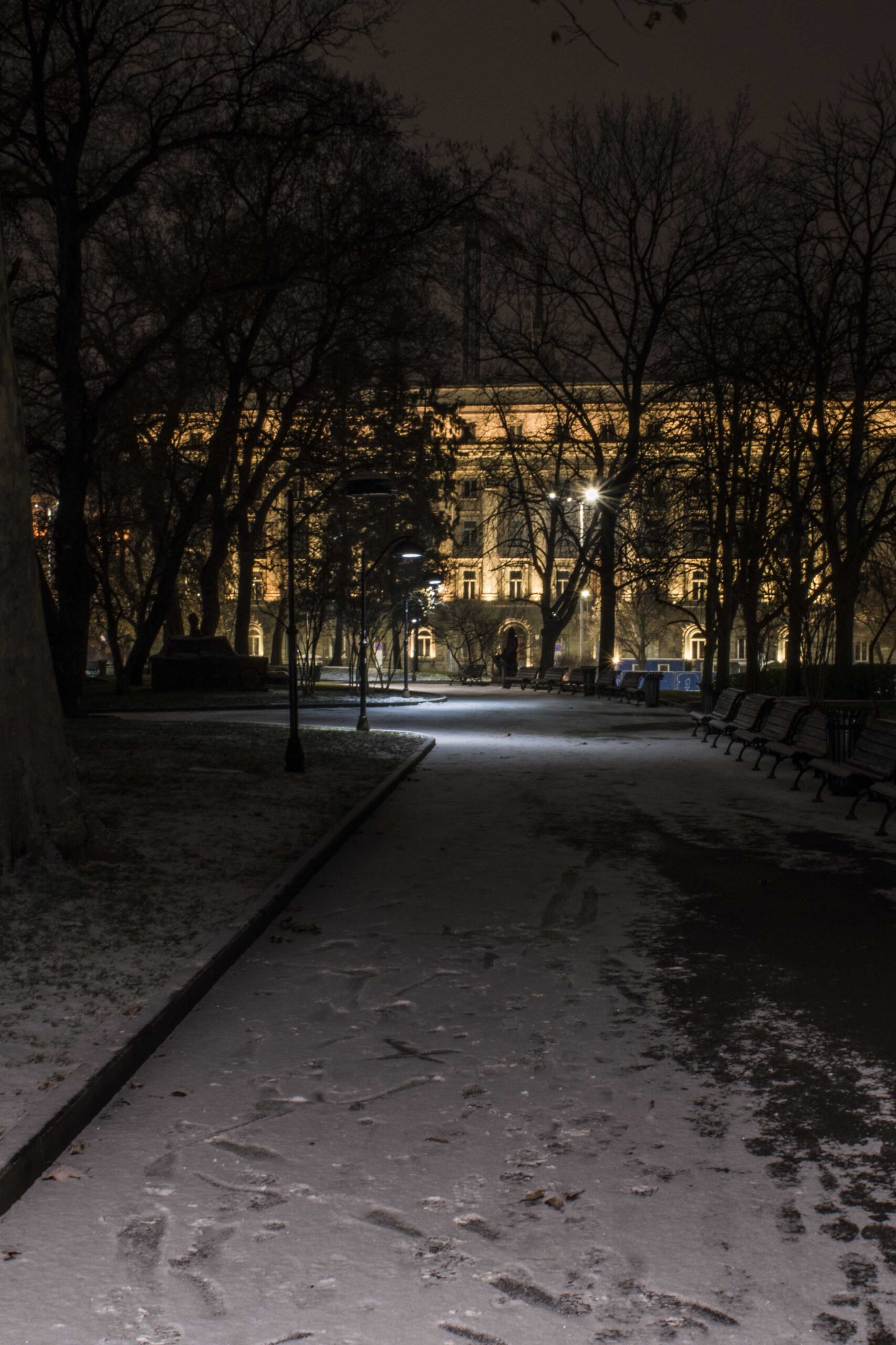
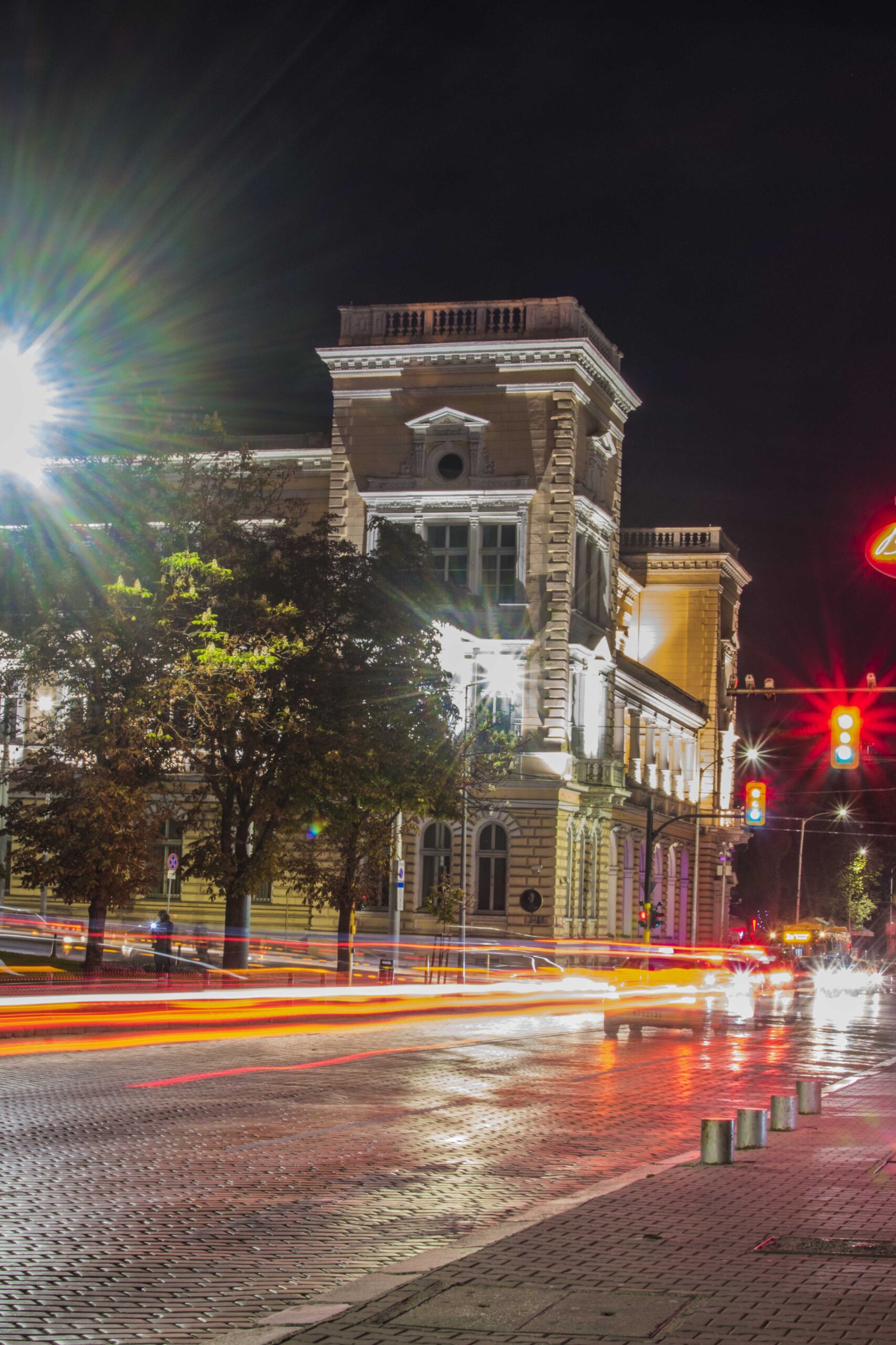
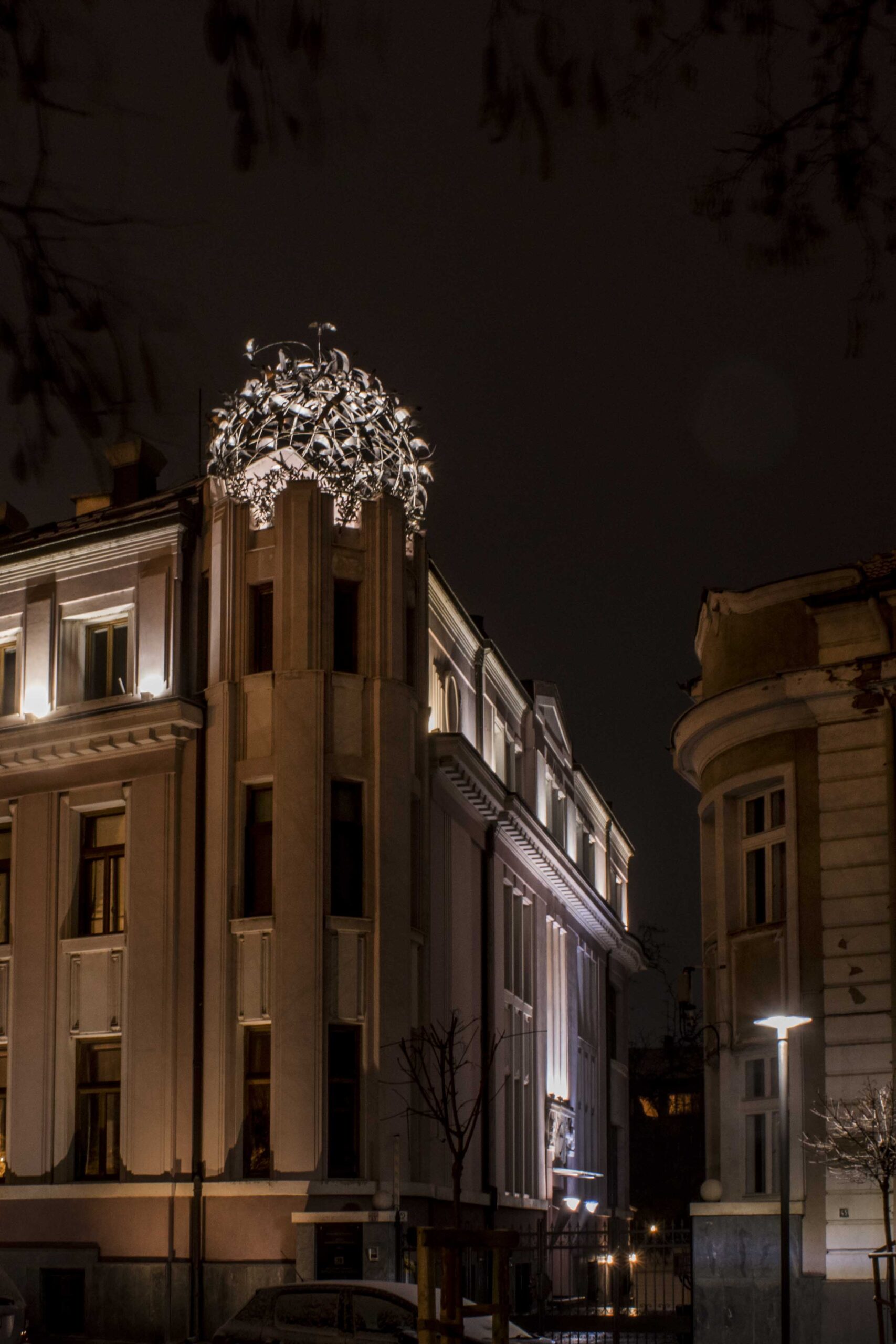
I can talk about Sofia a lot, not only because I am born here. I am proud of my home city and there is a lot to be said about its history leaving a mark on each major landmark known today.
Currently the cosmopolitan capital of Bulgaria with a lot on the agenda, Sofia has been on the map of Europe since it appeared with its ancient Roman name Serdika in the 5th century BC and has survived through turbulent times, invasions and Empires till today.
Since 1st century AD Serdika became one of the important military station on Via Diagonalis, main Roman road connecting western parts of the Empire with Constantinople and the Eastern provinces.
The Sofia’s heart is literally bursting with ancient Roman ruins: remnants of ancient city walls and turrets, residential areas built in stone and bricks, paved streets, thermae and recently uncovered Sofia Arena… The ancient Serdika flourished as economic, political, cultural and religious centre. The city accommodated Roman Emperors and Generals visiting for its healing mineral springs, gladiators entertained the Elite and citizens.
Some curious facts for history lovers. Serdika has its fair share on shaping the European history. It became became one of the first Roman cities where Christianity was recognised as an official religion. Two Roman Emperors of Thracian origin Aurelian (215 – 275 AD) and Galerius (260 – 311 AD) were born here. Constantine the Great even considered to make it its capital.
After the glorious Antiquity, followed darker ages when Serdika became Sredets and was included into the both Bulgarian Kingdoms, until part of its role was lost. After the fall under Ottoman rule in 1385 it remained important administrative centre and indispensable overnight stop for the caravan trade of the time. Most of its churches were converted into mosques, thus preserved until our days. The fame of its baths have never actually faded: the hammam experience described in Lady Mary Wortley Montagu’s Turkish Embassy Letters during her travels in Ottoman Empire accompanying her husband on this diplomatic missions.
St. Sofia gave the name of the modern city, which in 1879 was pronounced a capital of modern Bulgaria.