Just 40 km south of Verona, Manua is not on the main tourist visit itineraries, despite being rich in art and history and UNESCO Heritage site.
Italians say that Mantua is known as La Bella Addormentata, a sleeping beauty that hasn’t changed since the middle ages. Its almost intact beauty is appealing.
I would not have visited Mantua, if I was not looking for an alternative to overcrowded Verona for an overnight stay on my road to South Tuscany. It proved to be just what I needed, dividing my route in two fitting parts in terms of driving distance and time.
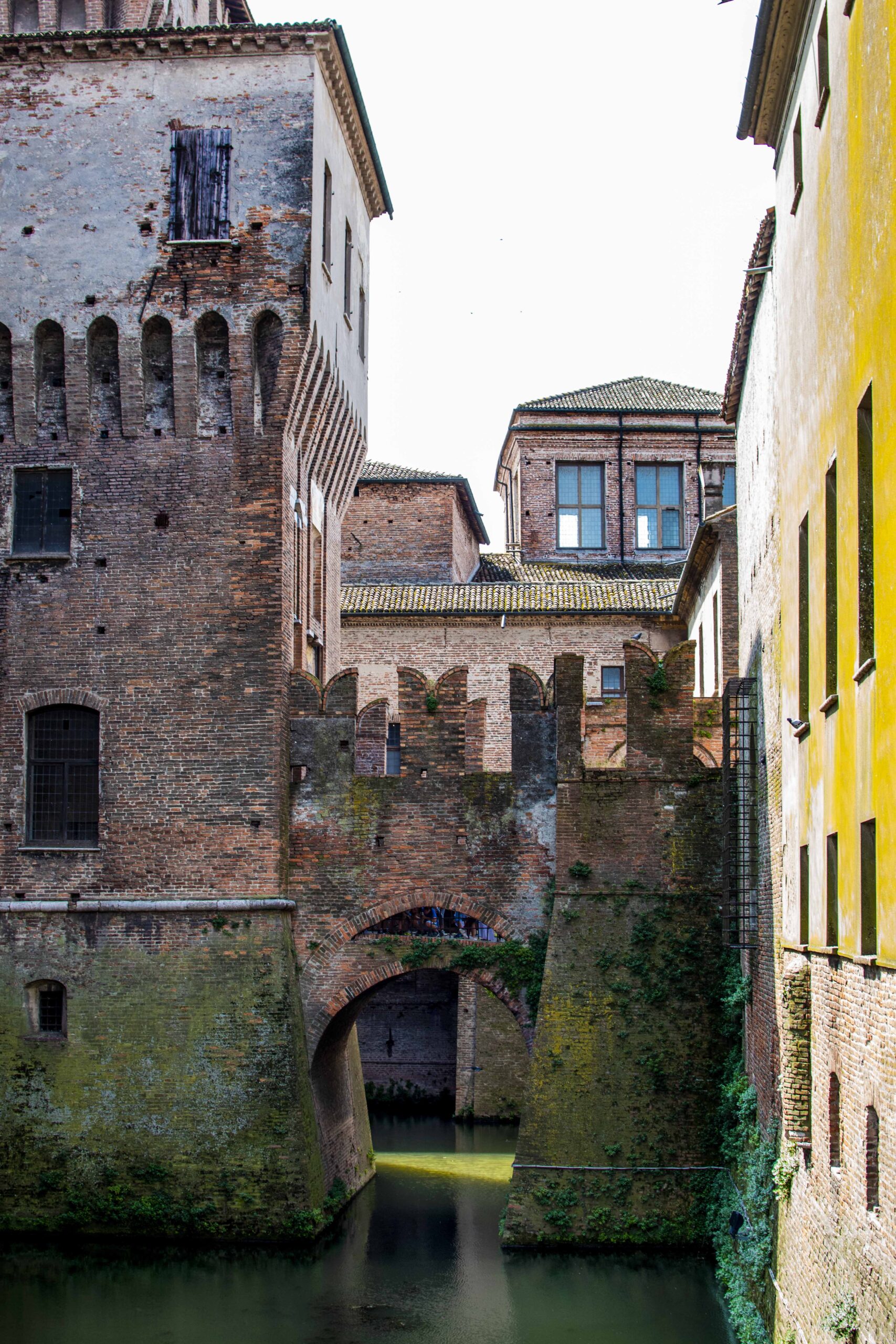
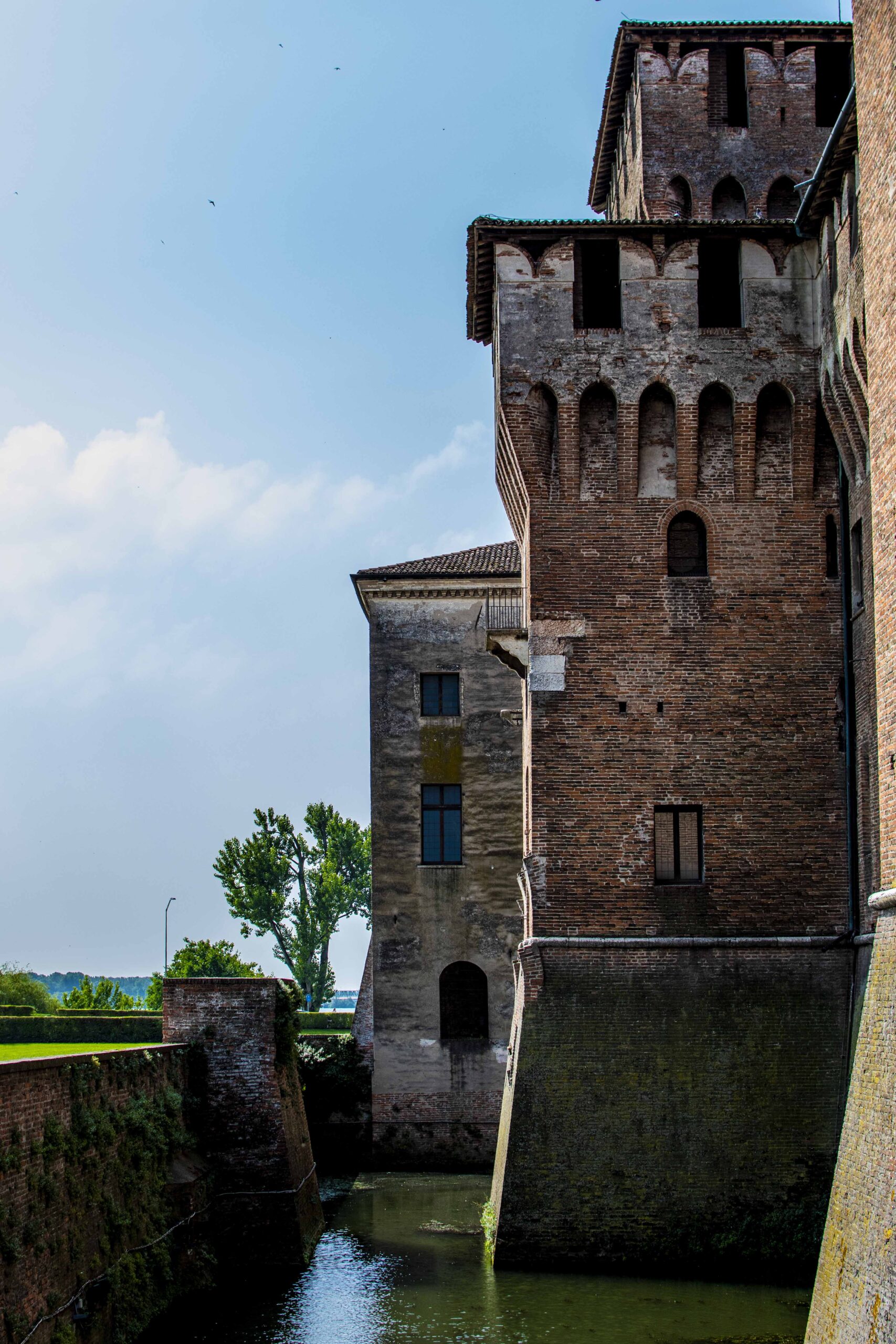
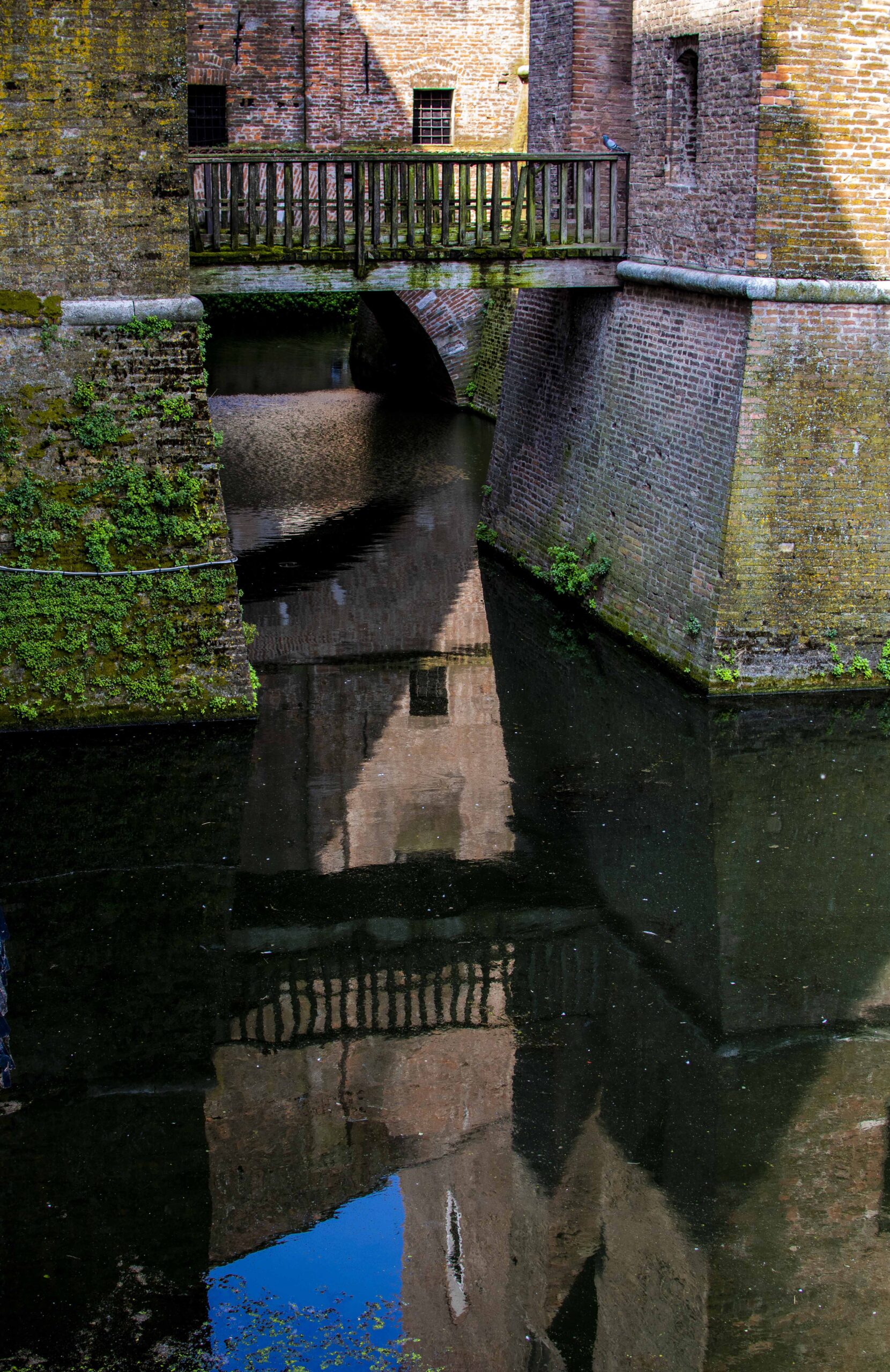
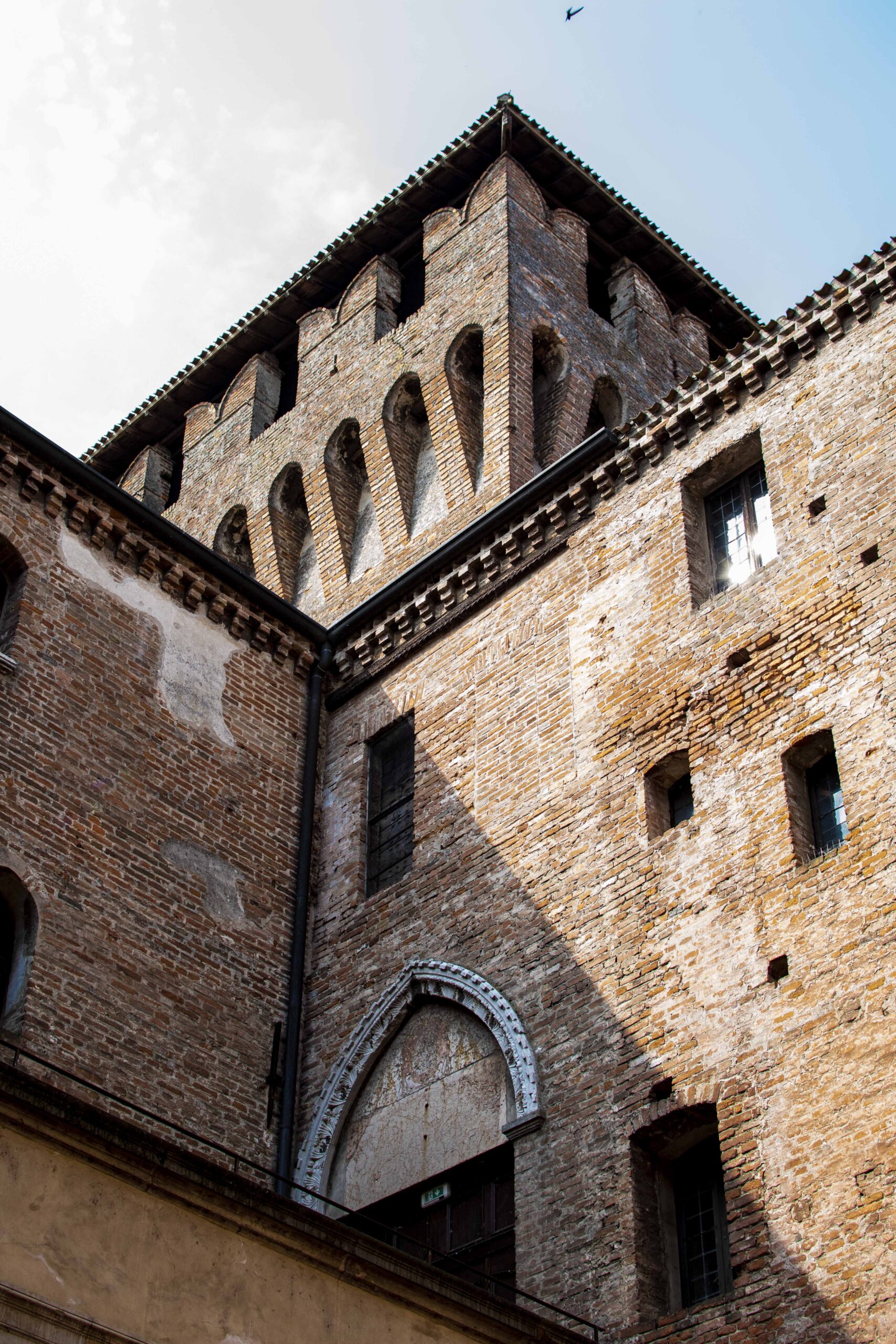
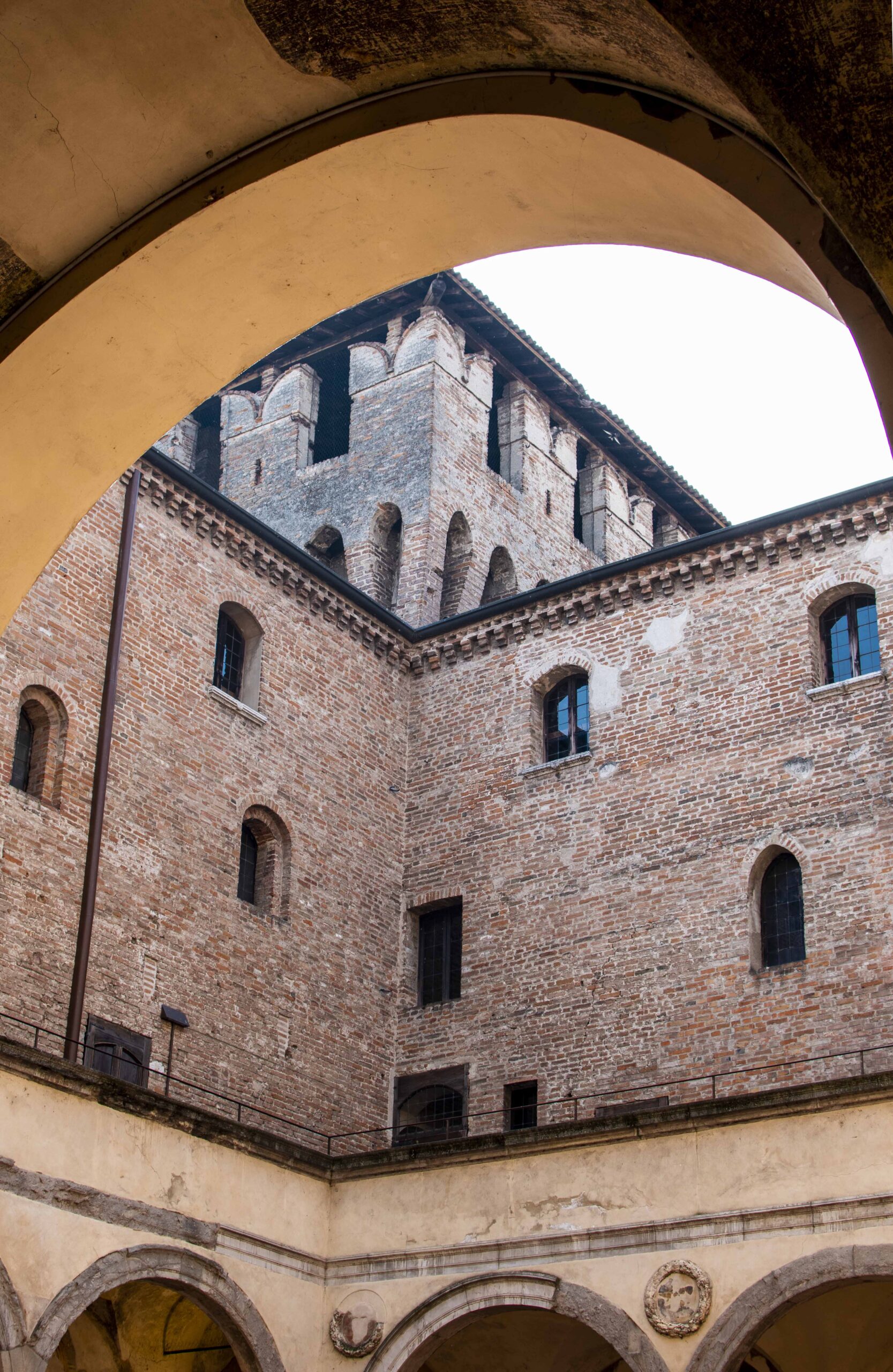
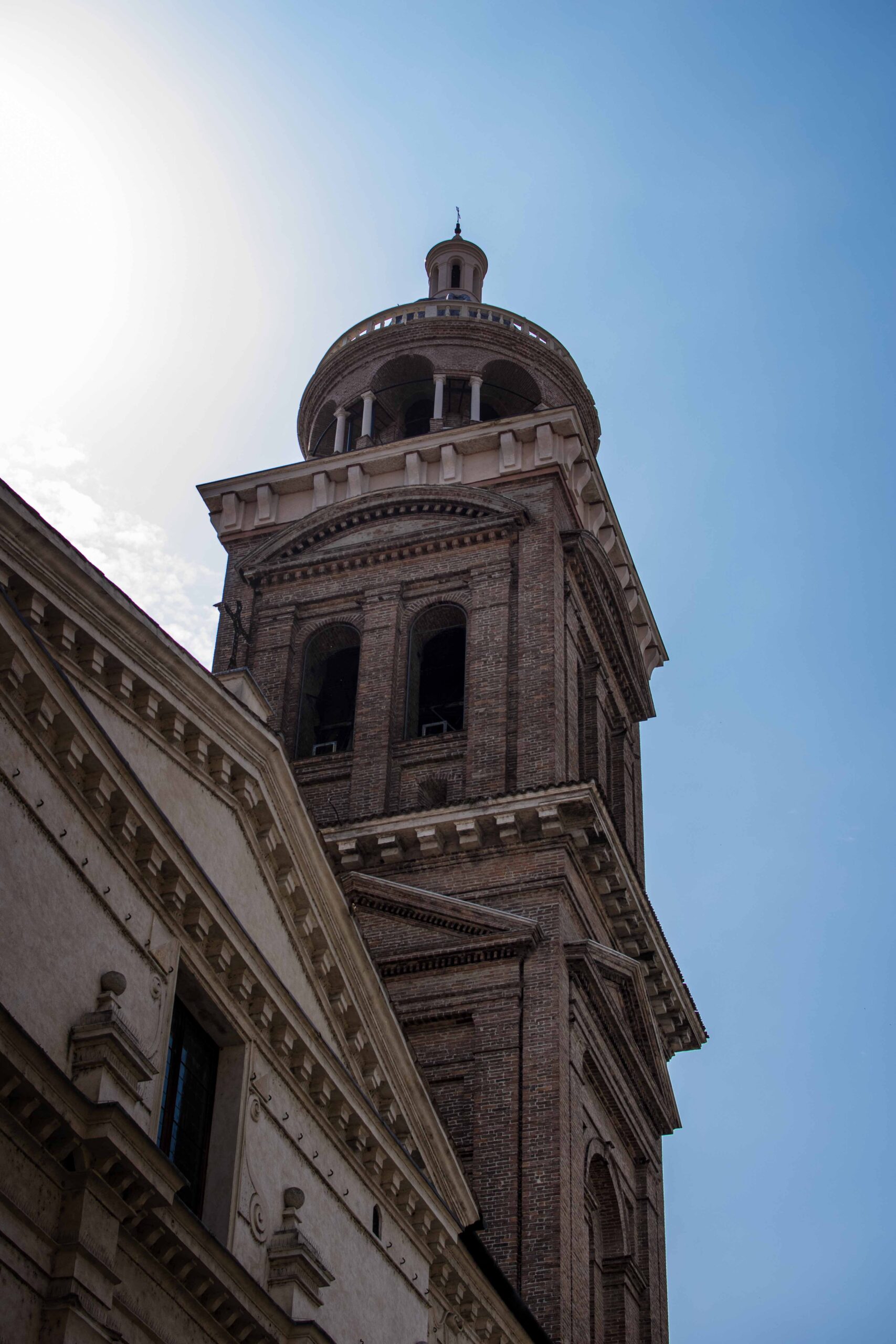
The first impression on arriving at the historic heart is one of spectacular lakes, remarkable artificial fortification surrounding and protecting the imposing magnificent Palazzo Ducale and the tight knit city. Dramatic skyline of ancient towers, turrets, ramparts and domes. Walking around on the narrow cobbled streets, you literally see the legacy left by the daring, noble and despotic Gonzaga Family rule, one of the mighty and leading Renaissance dynasties.
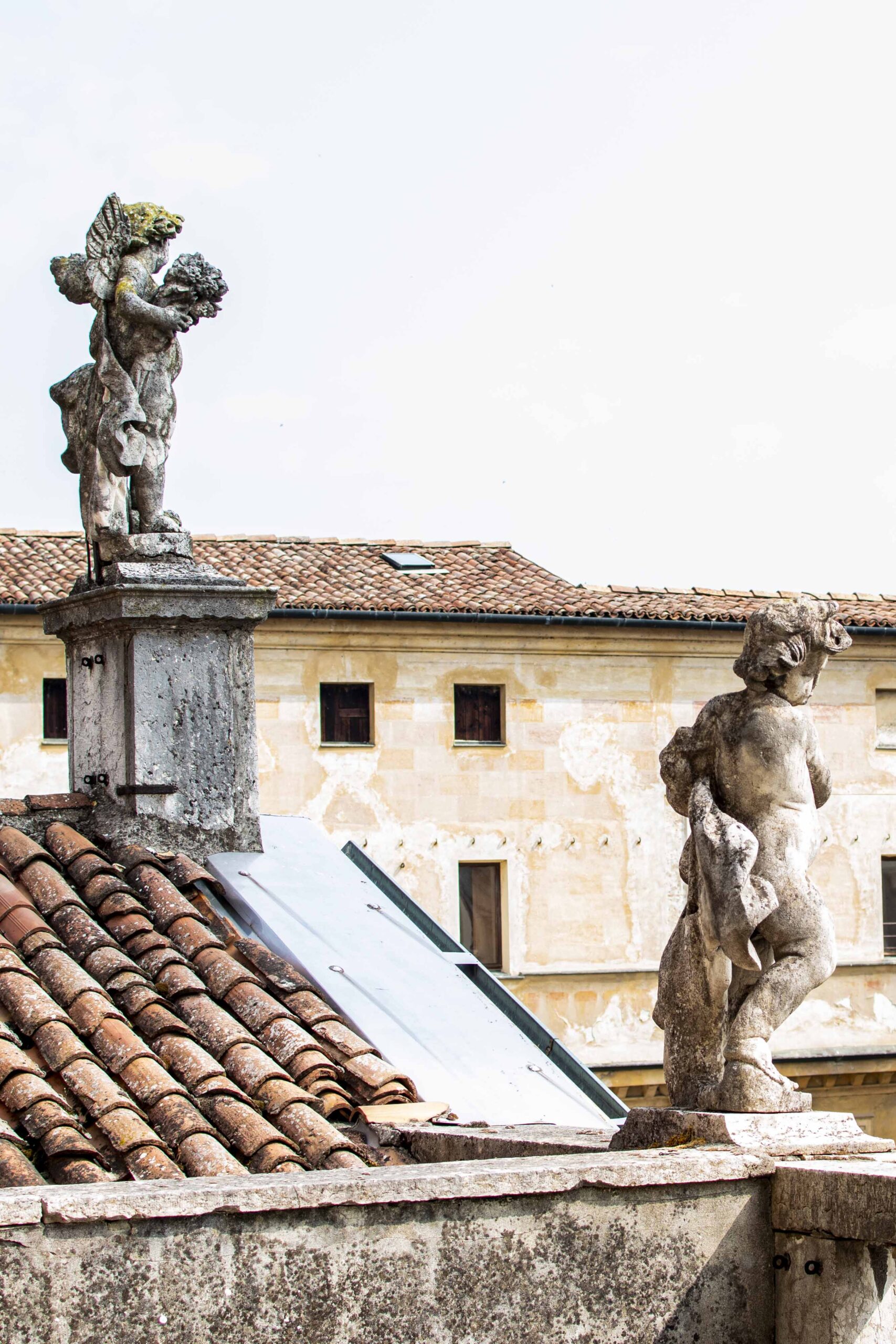
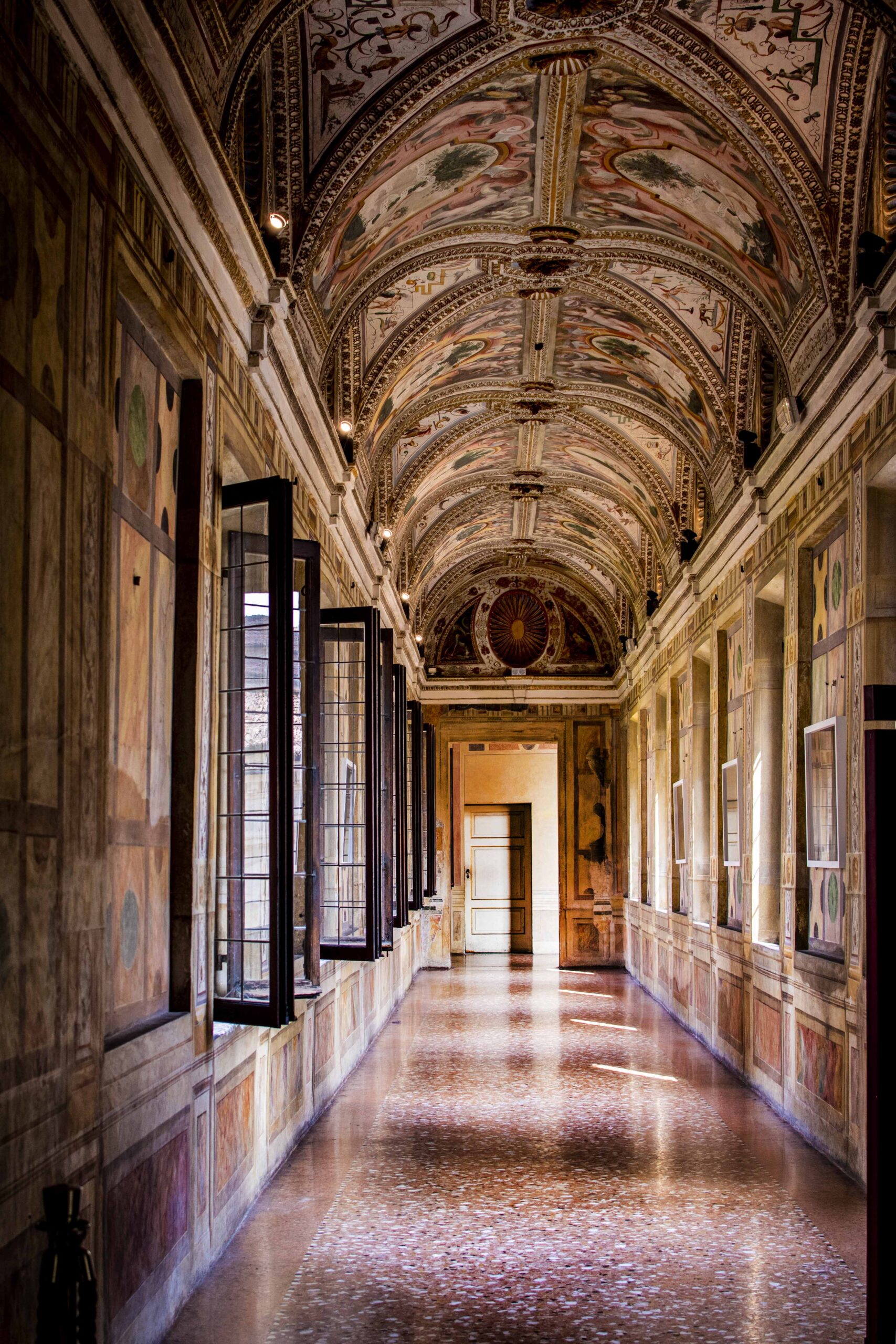
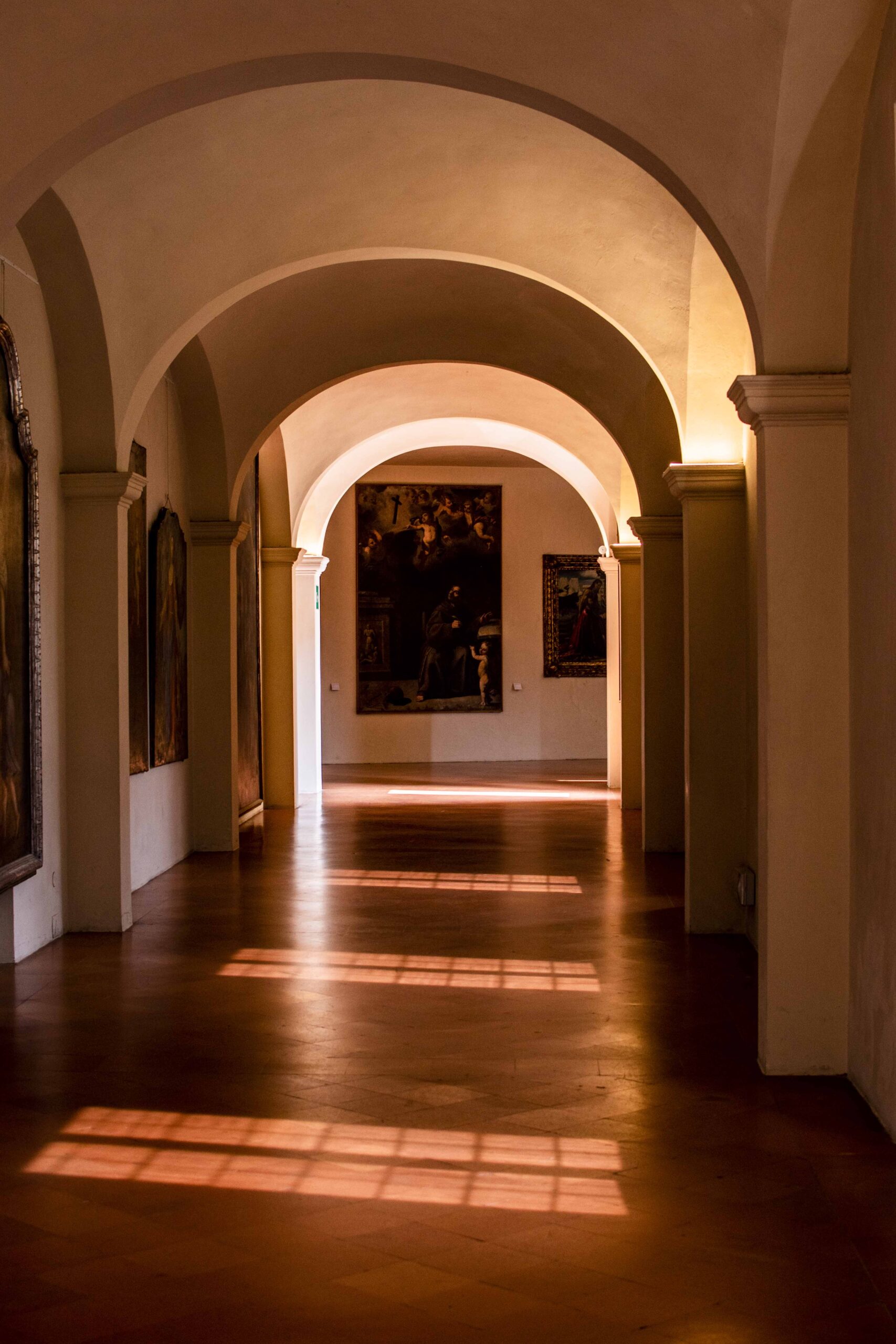
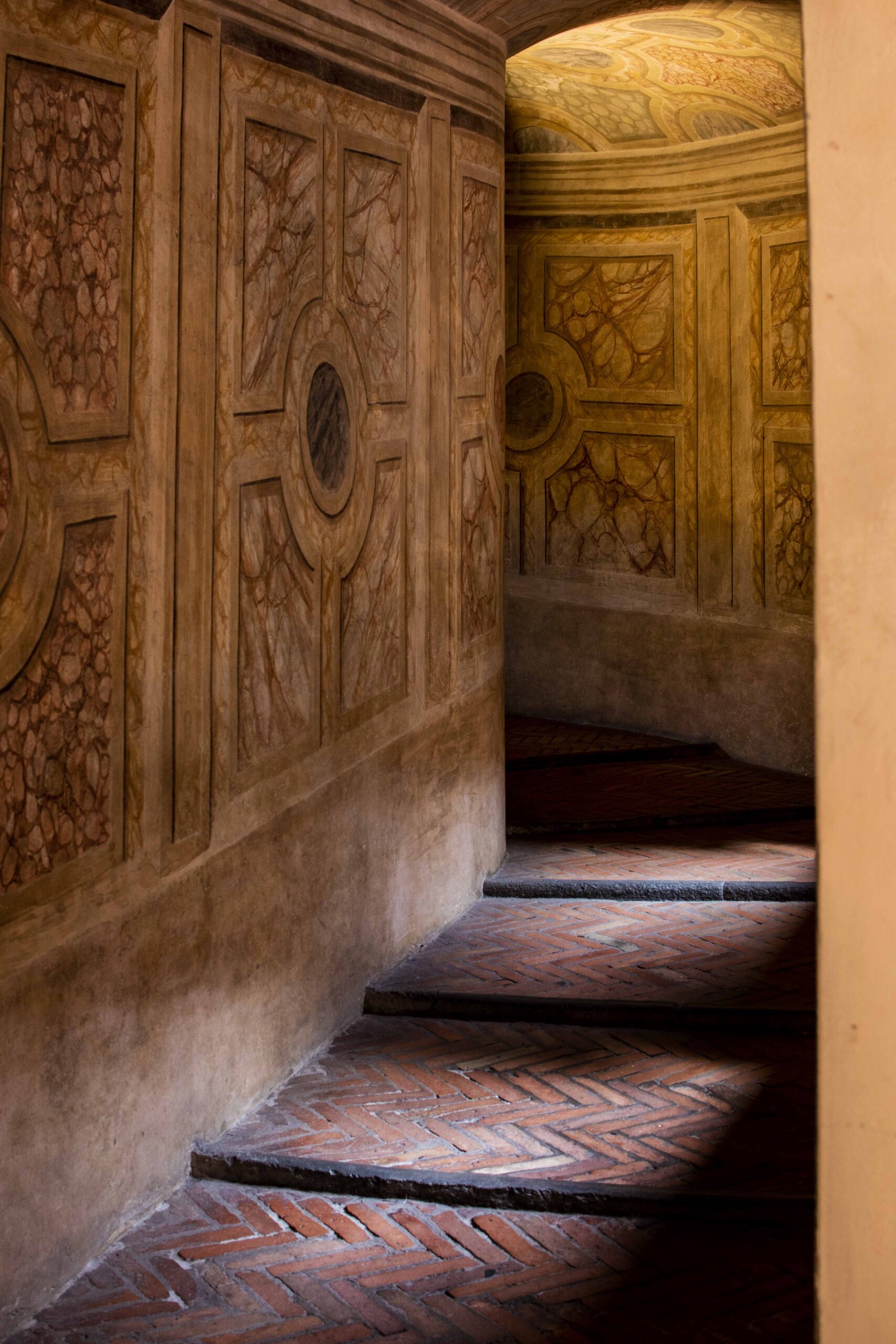
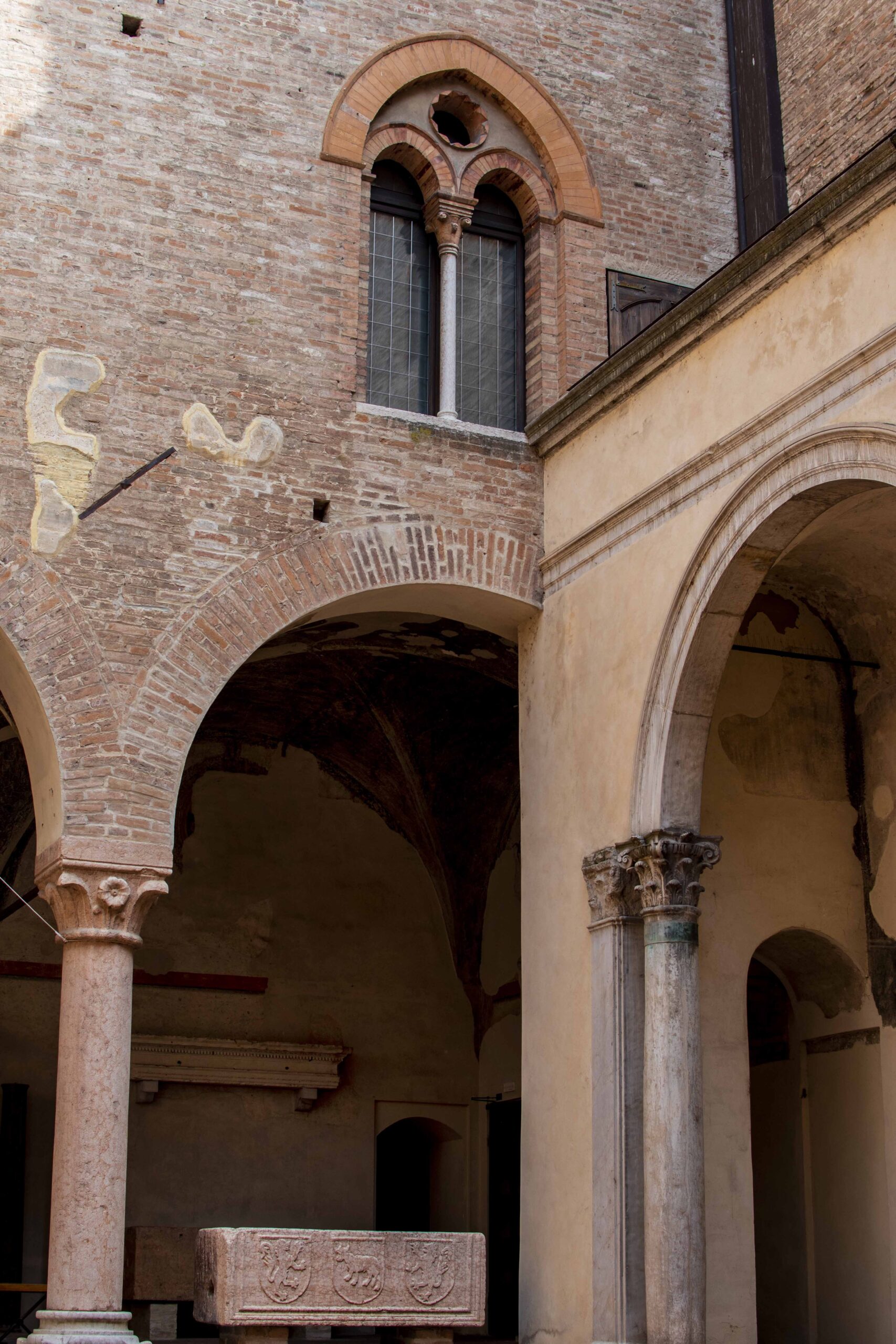
Reigning for 400 years from the early 14th to 18th centuries, the Gonzaga left their stamp on the city till today developing Mantua into a court of great splendour: porticoes, piazzas and courtyards . During their rule the city underwent consistent and continuous renewing, many urban and hydraulic projects in this marshy area, as well as grandiose residence Palazzo Ducale. ‘City in the city’, it is like a labyrinth including a castle, basilica, courtyards, sumptuous galleries, gardens and more than 500 rooms. There is plenty to see and experience from hidden passages, precious tapestries and works of art to painted frescos.
The feeling of having a lot in common with Ferrara is not by accident. To strengthen their influence and dominant role as one of the leading families of the époque, Gonzaga connected with powerful Ferrara d’Este clan by marriages.
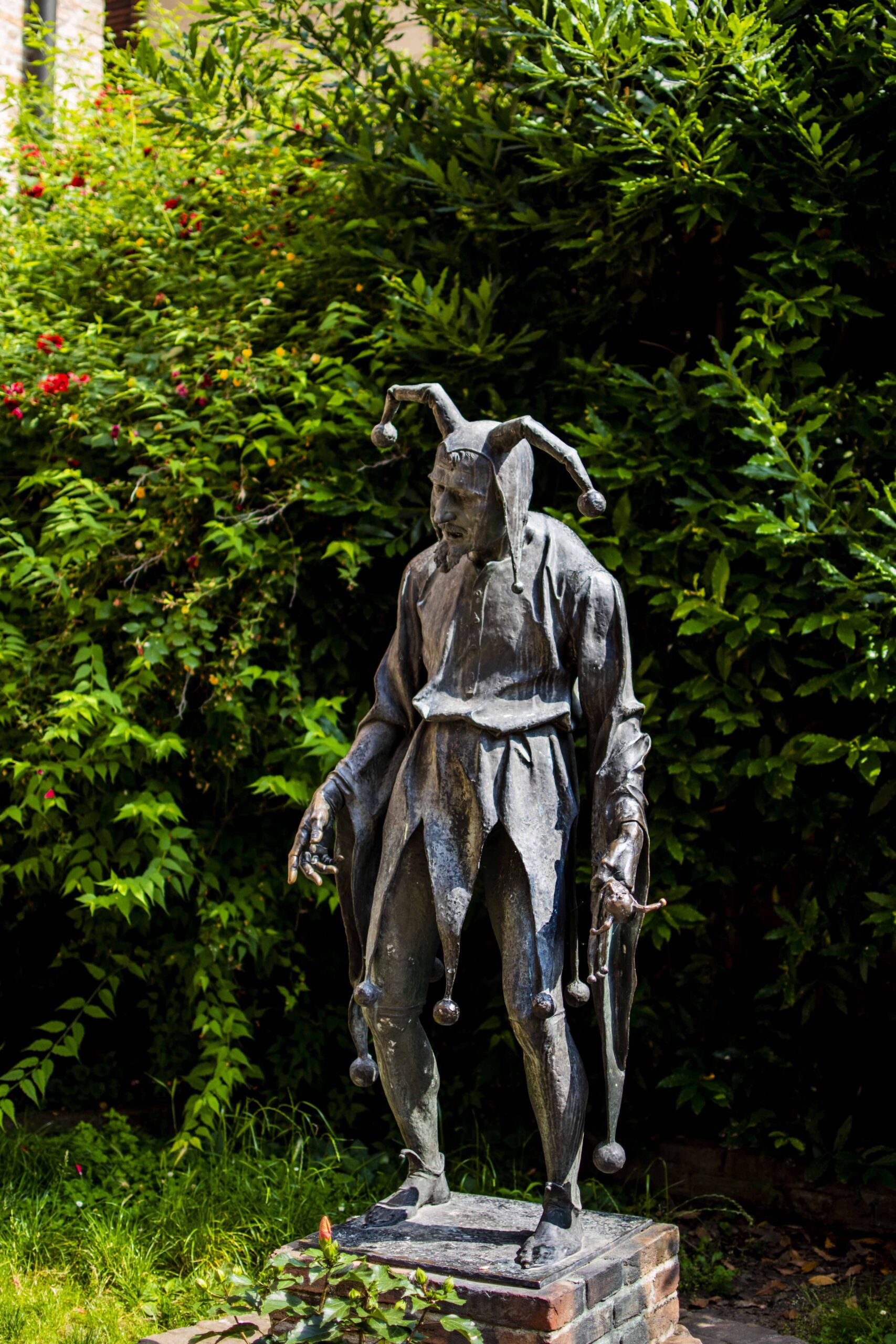
Mantua heritage is rich not only because of the ruling dynasty and their patronage. It is also famous as a stage where Shakespeare have set Romeo in exile when he received the news of his beloved Julietta death. In these foggy narrow cobbled streets Verdi set his tragic opera Rigoletto, one of the most popular Verdi trio. The locations where the drama took place can still be traced in the city: from the magnificent Palazzo Ducal, through the backstreets and the house of the court jester to the lakes on the river Mincio.